“After all, well, moon is a polka dot, sun is a polka dot, and then, the earth where we live is also a polka dot.”
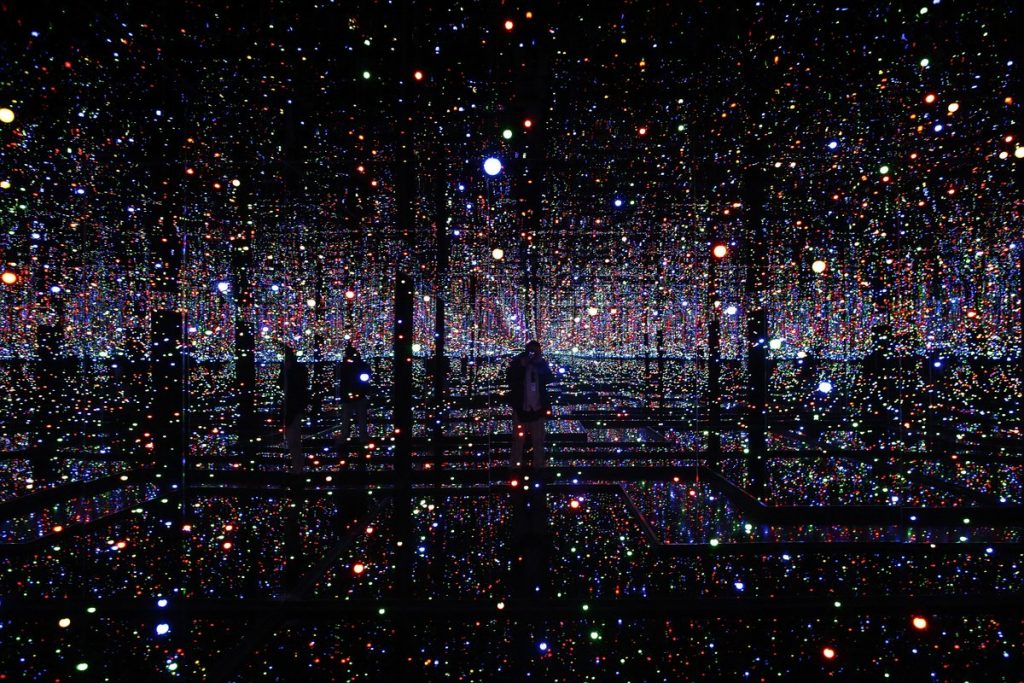
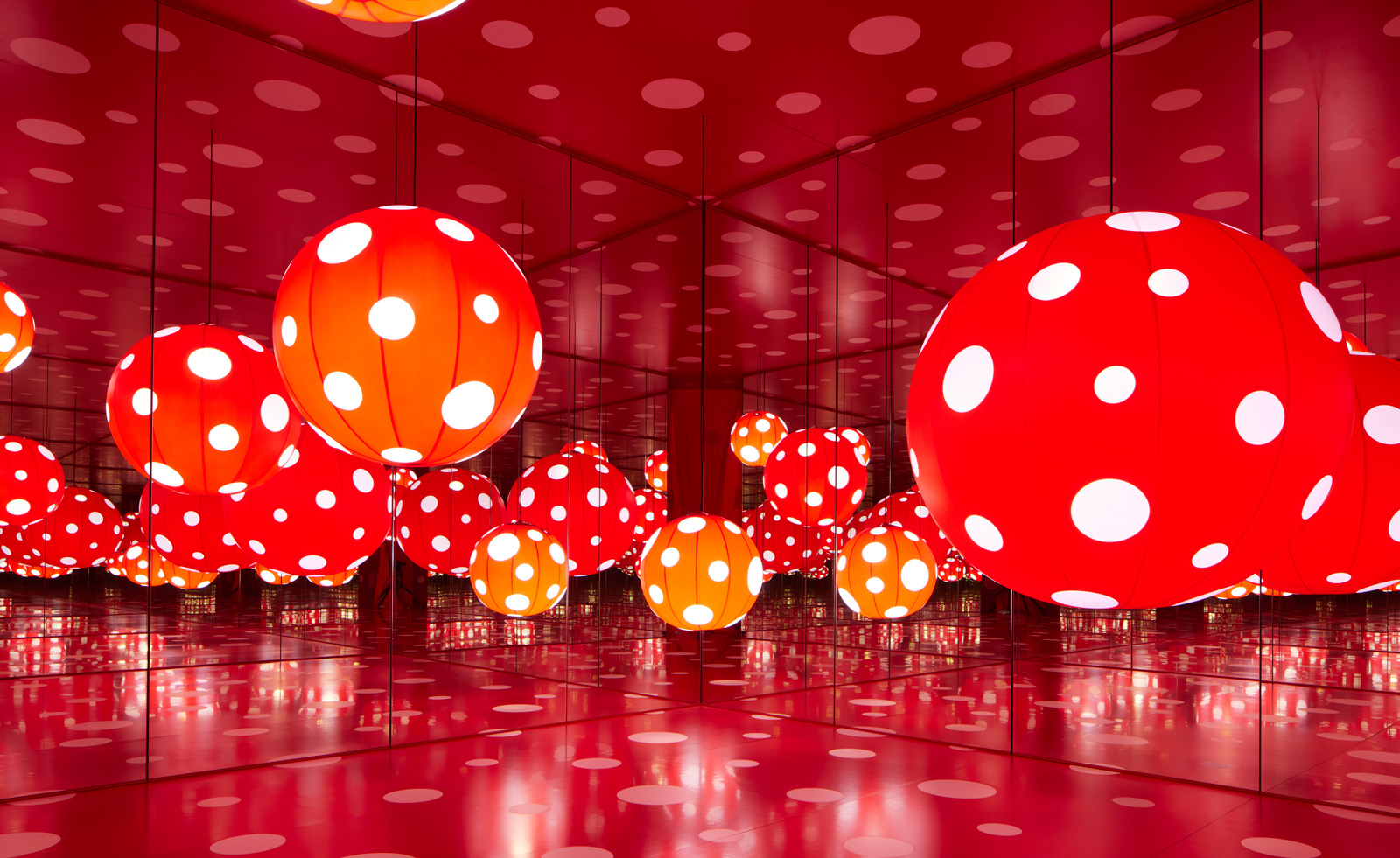
Japanese artist Yayoi Kusama has died, aged 97. Kusama’s career spannned eight decades, and she was widely recognised as one of today’s most important artists. Her signature motifs and materials, such as repeated polka dots, brightly coloured pumpkins and kaleidoscopic Infinity Mirror Rooms, have transcended the traditional art establishment to become part of global popular culture.
In 1957, Kusama moved to New York, producing paintings, sculptures, installations, performances and films which later inspired minimalist and Pop Art movements. Her phallic sculptures were controversial, as were the Infinity Mirror Rooms she created in 1965, which transported the viewer into realms of endless space. Her polka dot and pumpkin works became, commercially, massively successful.
Kusama returned to Japan in 1973. From the late 1970s, she lived voluntarily in a psychiatric hospital while continuing to work in a nearby studio. Her company confirmed Kusama’s death at a hospital in Tokyo on 14 August 2026. “Throughout an extraordinary lifetime devoted entirely to artistic creation, Kusama pursued an internationally acclaimed career as a pioneering avant-garde artist whose creative practice encompassed visual art, performance, fiction, and poetry,” they said.
“She continued to paint until her final days, never setting aside her brush, and continued exploration of forever love and eternal soul. We will carry forward Kusama’s wishes and, through art, continue to bring hope and strength for the future to people around the world.”
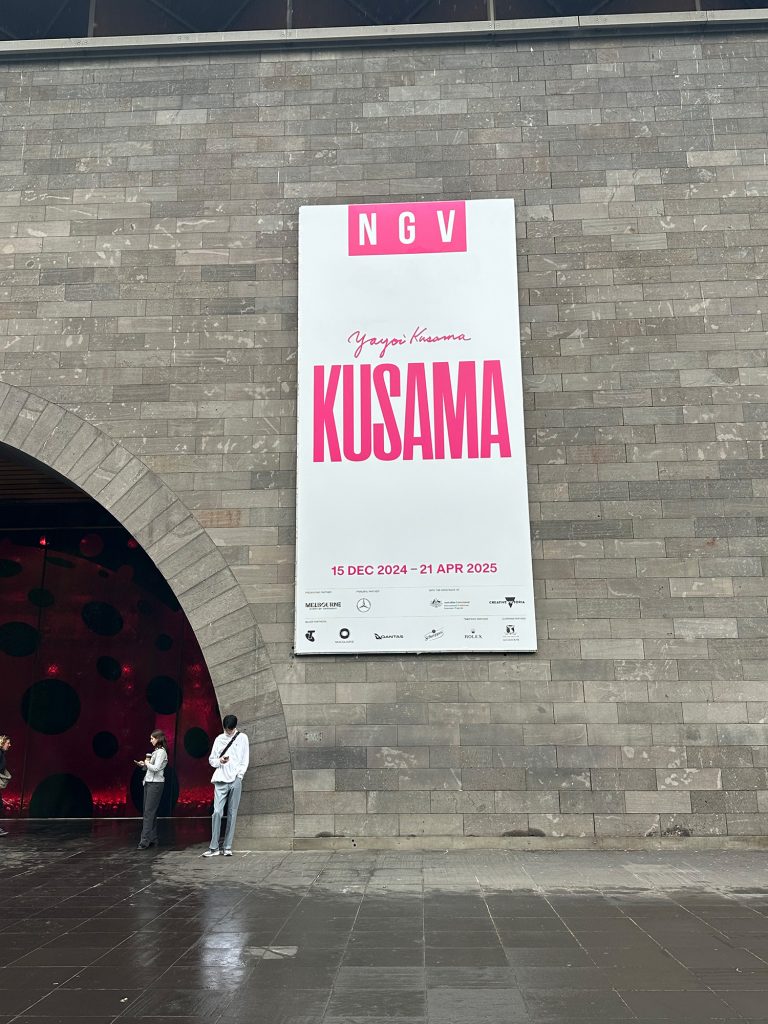
Back in December 2024 I travelled to Melbourne and had the chance to visit her marvellous exhibition at NGV.
“Love forever, that is the message I want to spread with my art”. Thank you, Yayoi Kusama ❤️
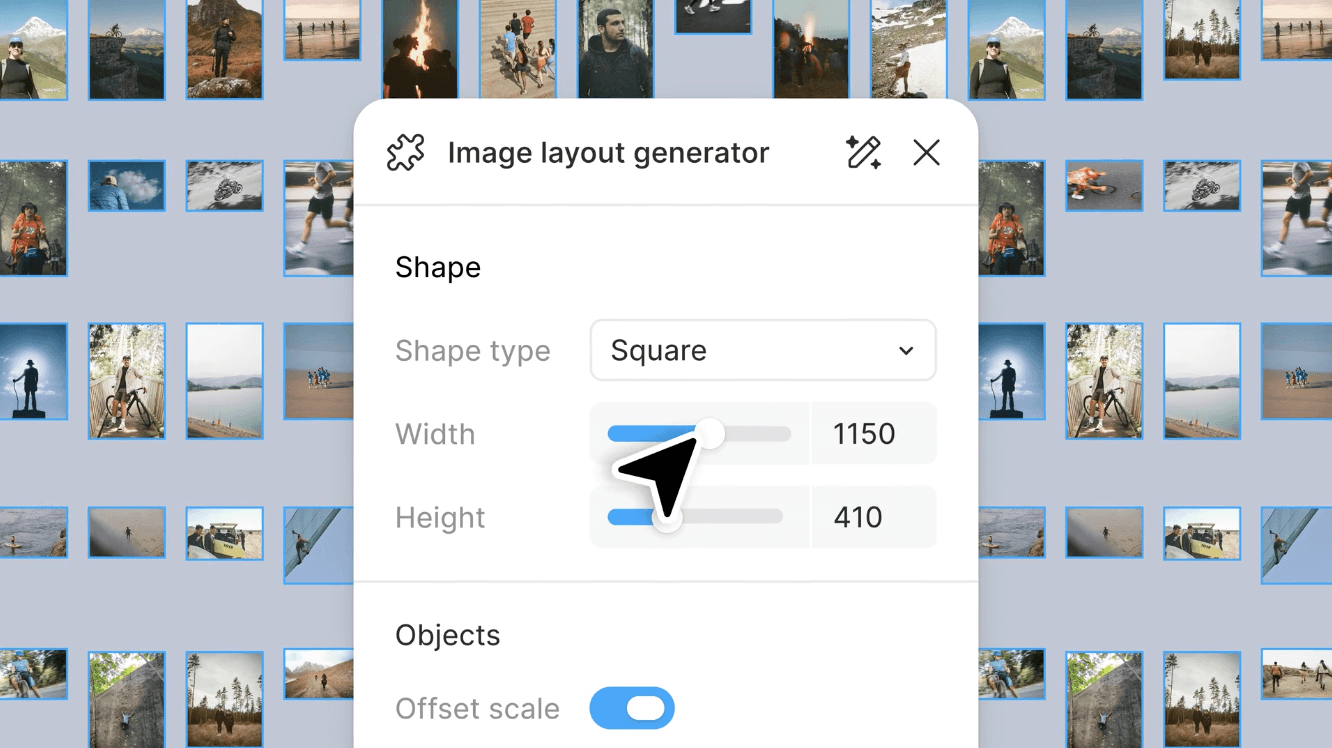
Config is the massive annual global design and technology conference hosted by Figma. The multi-day event takes place in San Francisco and brings together thousands of designers, developers, product leaders, and engineers from around the world. Config’s key focus areas are: Product Innovation, Workshops & Keynotes and Community Networking. This particular event focused on AI, Motion and Generative plugins.
Here’s a quick look at everything announced at Config 2026:
Code on the Canvas – Closed beta
Figma Motion – Open beta
The Figma Agent – Open beta
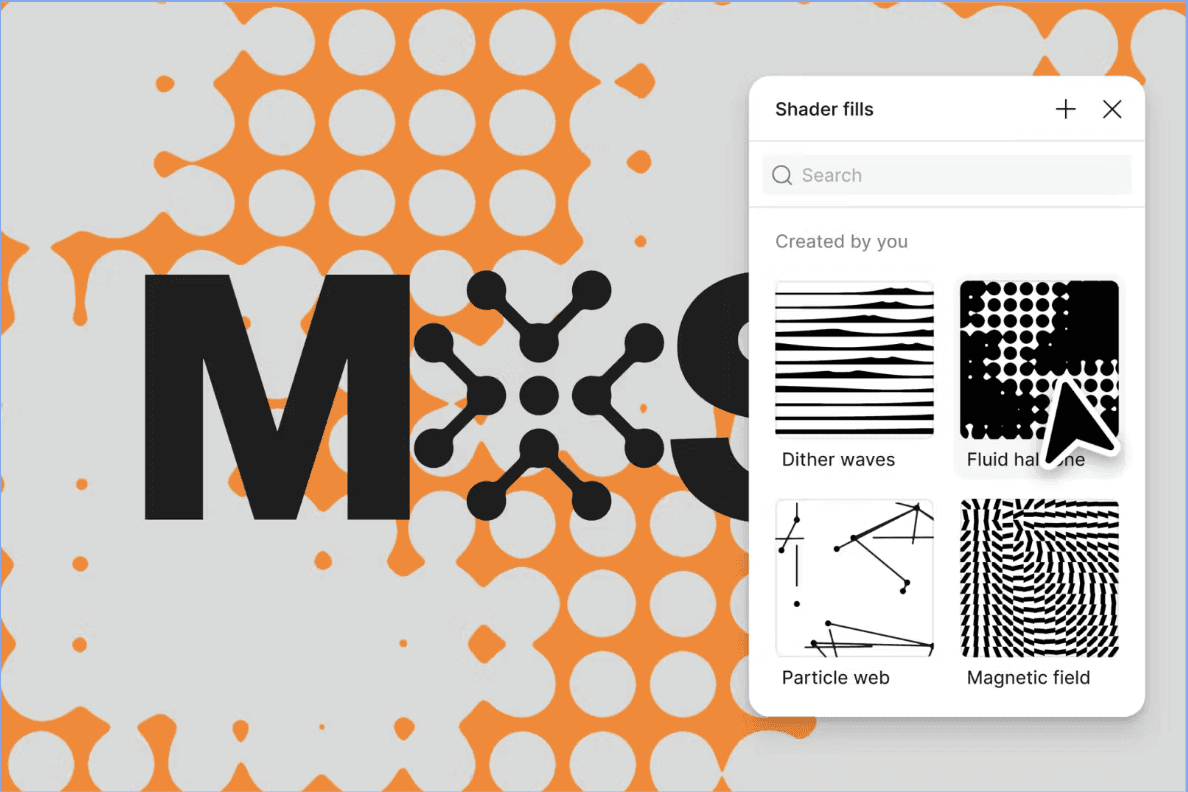
Shader fills and effects
Generative plugins
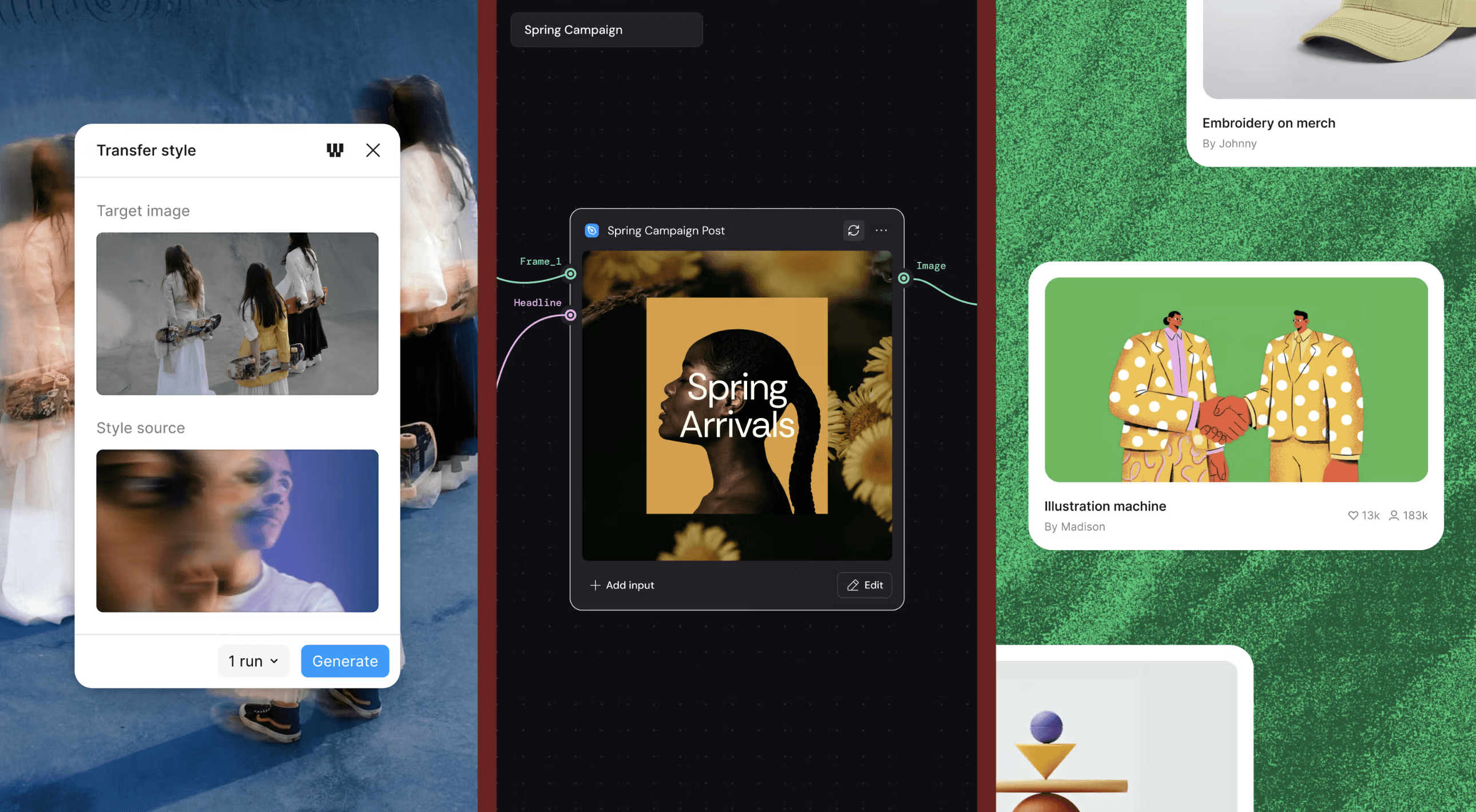
Figma Weave
1. Code on the Canvas
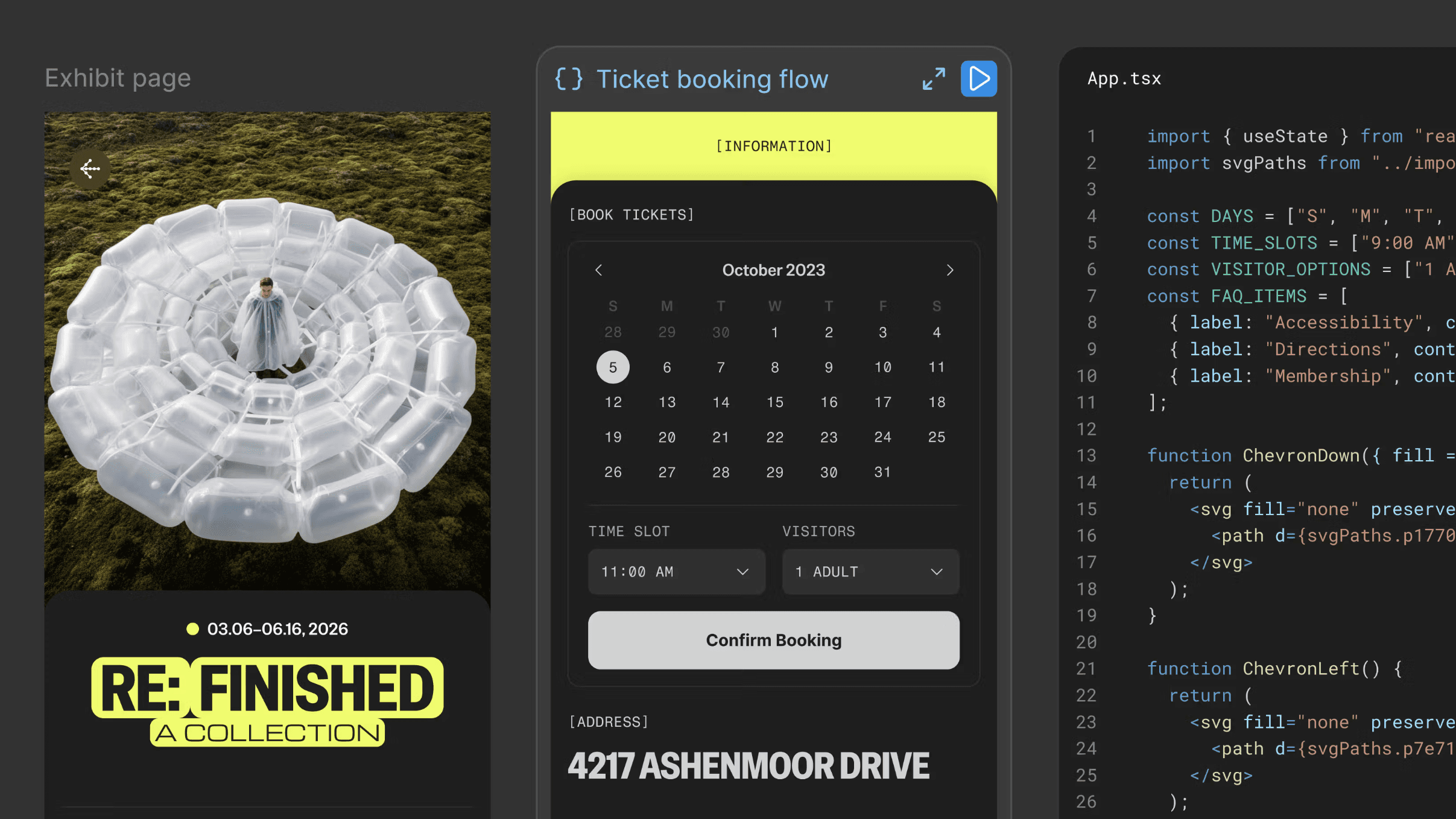
With code layers in Figma Design, interactive code becomes part of the canvas itself, making it easier for teams to explore, iterate, and shape ideas together in the same place. Code layers are rolling out in closed beta over the next few weeks.
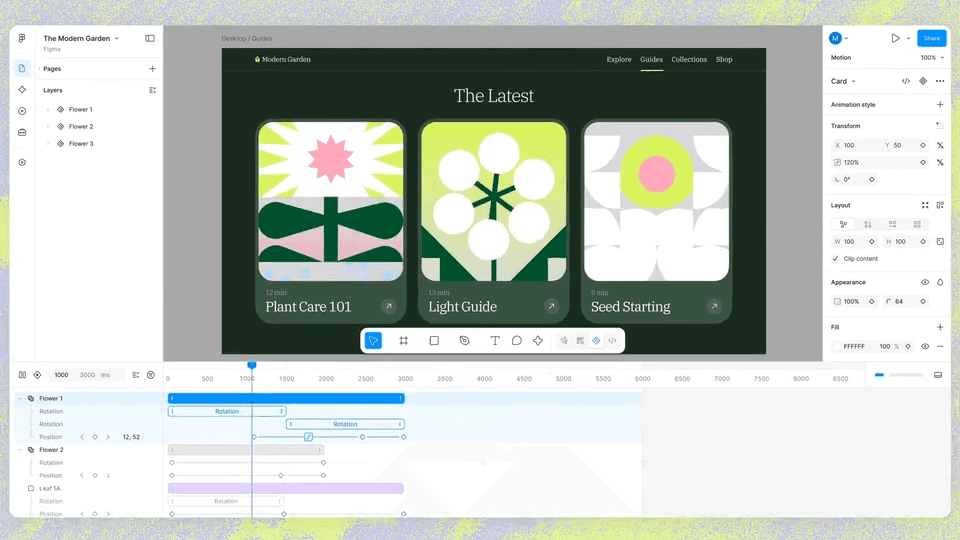
Figma Design added a timeline, including keyframes, presets and much more. You can build motion from scratch, layer it onto existing designs or ask the Figma agent to generate a starting point. For a designer who hasn’t animated before, the Figma agent removes the learning curve, describe what you want, and it builds real keyframes on the timeline, grounded in your components and tokens. Motion is in open beta. Starter users can access motion with limited exports. Full seat users on all plans can access motion primitives and export. Full design system integration and the Figma agent for motion are available on paid plans.
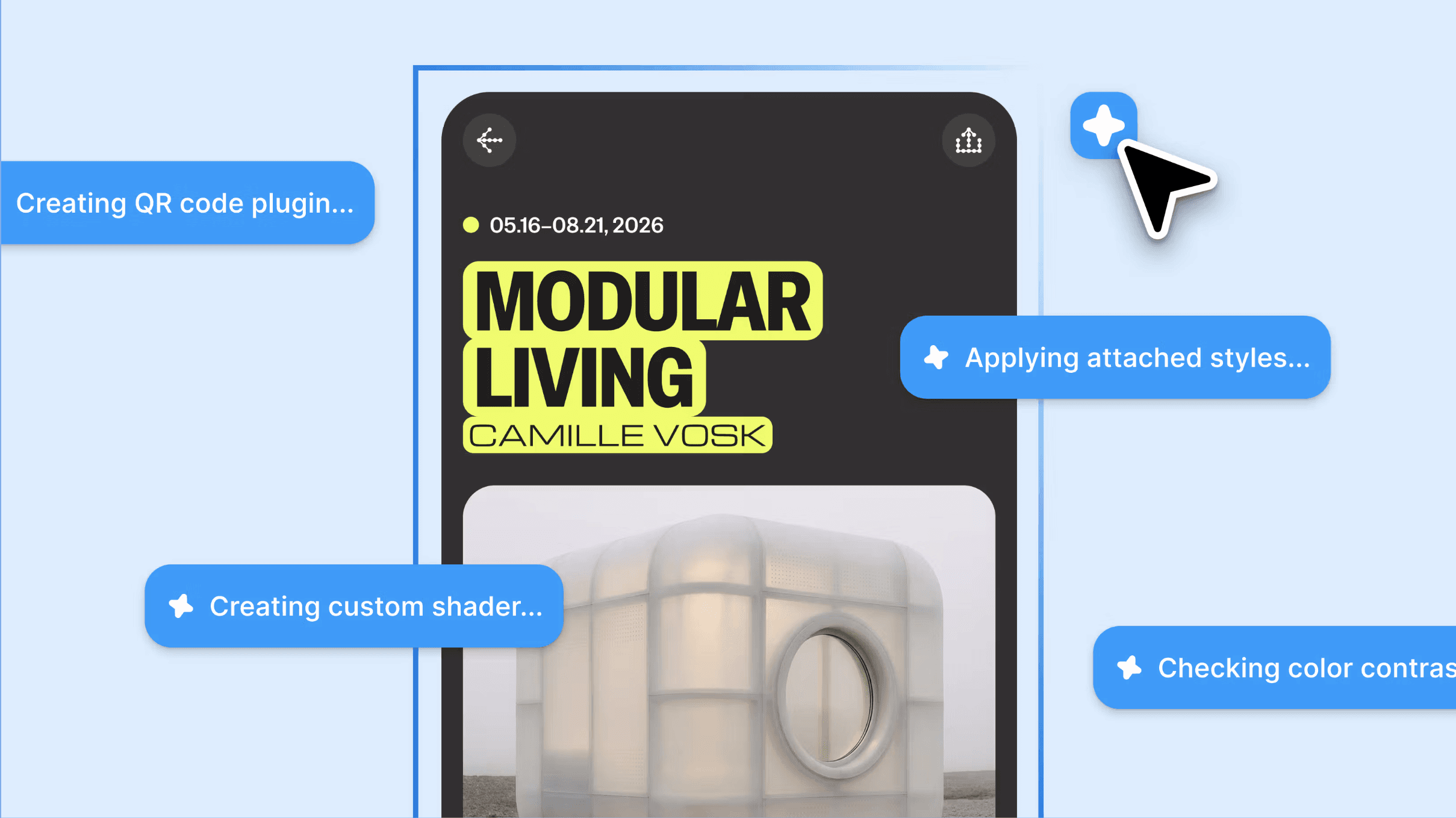
Where that collaboration gets interesting is on the Figma canvas itself, creating tools, effects, and experiences that wouldn’t have been possible before. The Figma Design Agent is now available in open beta for Full seat users on Professional, Organisation, and Enterprise plans.
Now you can describe what you want, or use an image as a reference, and the Figma agent will build it for you. An effect transforms what’s already in the layer, and a fill acts as a new material. Because all of this is built with the Figma agent, shader fills and effects are parameterised by default. This allows you to add controls directly on the canvas and shape them in any way you want.
Every designer has unique workflows. Generative plugins make creating all the tools you want possible. To build a generative plugin, just describe the tool you need: the behavior, the controls and the parameters. No local dev environment or plugin API knowledge required. It feels native to the canvas just like any other Figma tool.
For both generative plugins and shaders, you can build something for yourself and share it with anyone in your file. Soon, you’ll be able to publish tools to your team, organisation or the broader community.
Weave tools combine powerful AI workflows from Figma Weave into pre-built creative tools in Figma for consistent, high-quality outputs. Weave tools are in open beta and will be free to use throughout the duration of the beta.
Good prompts carry a point of view. Skills let you save that thinking, share it with your team, and put your creative direction to work beyond your own files. Skills are pre-built instructions that teach your AI agent how to handle common Figma tasks reliably, such as creating a new file, building a screen from your design system, or generating code from a design. Without skills, you’d need to describe each step yourself every time. With them, you can ask your agent to do something like “create a new Figma file” or “implement this design” and it already knows what to do.
“At past Configs, we’ve talked about AI lowering the floor and raising the ceiling. But while AI has lowered the floor, it has not raised the ceiling. Designers, creatives, builders: You will raise the ceiling.”
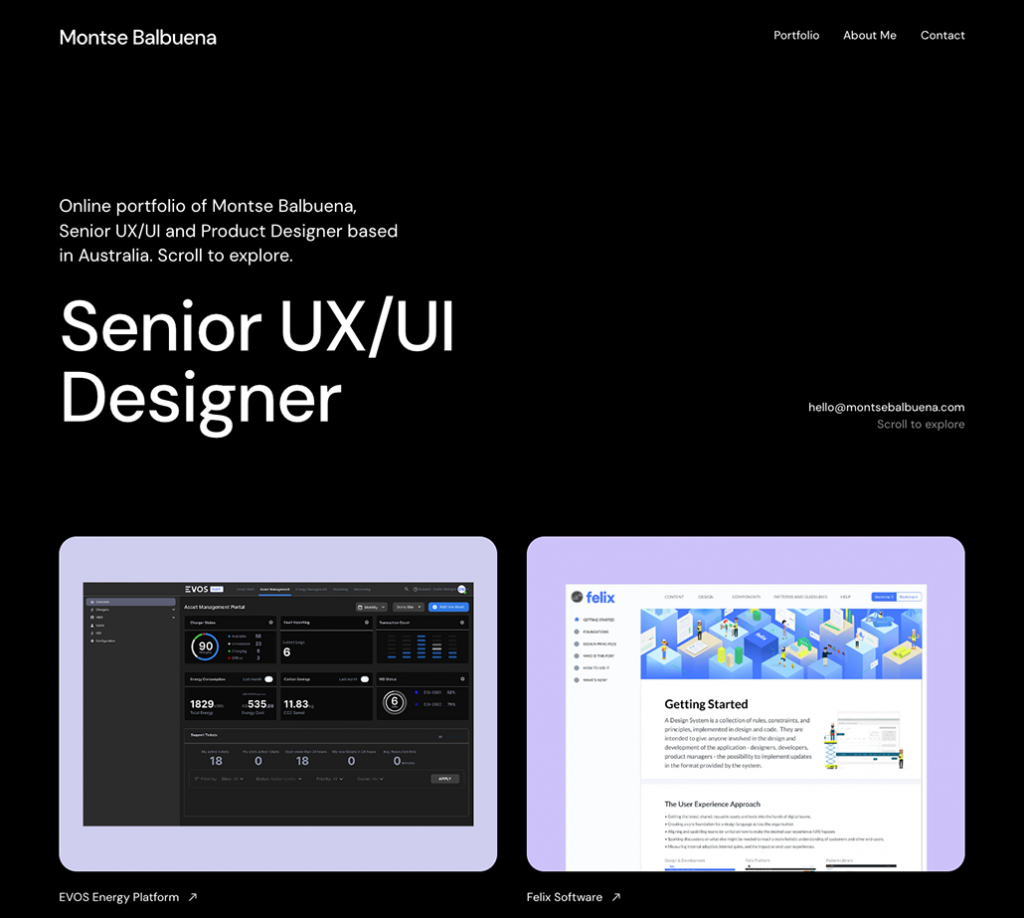
I have some exciting news, my new portfolio is now online! Check it out
The new portfolio is responsive, with a clean, minimal design to better showcase some of my latest design projects. I’m still making updates to it daily but soon the website will be directed to my main domain www.montsebalbuena.com and will replace the WordPress version. I hope that you’ll love the updated look & feel as much as I do.
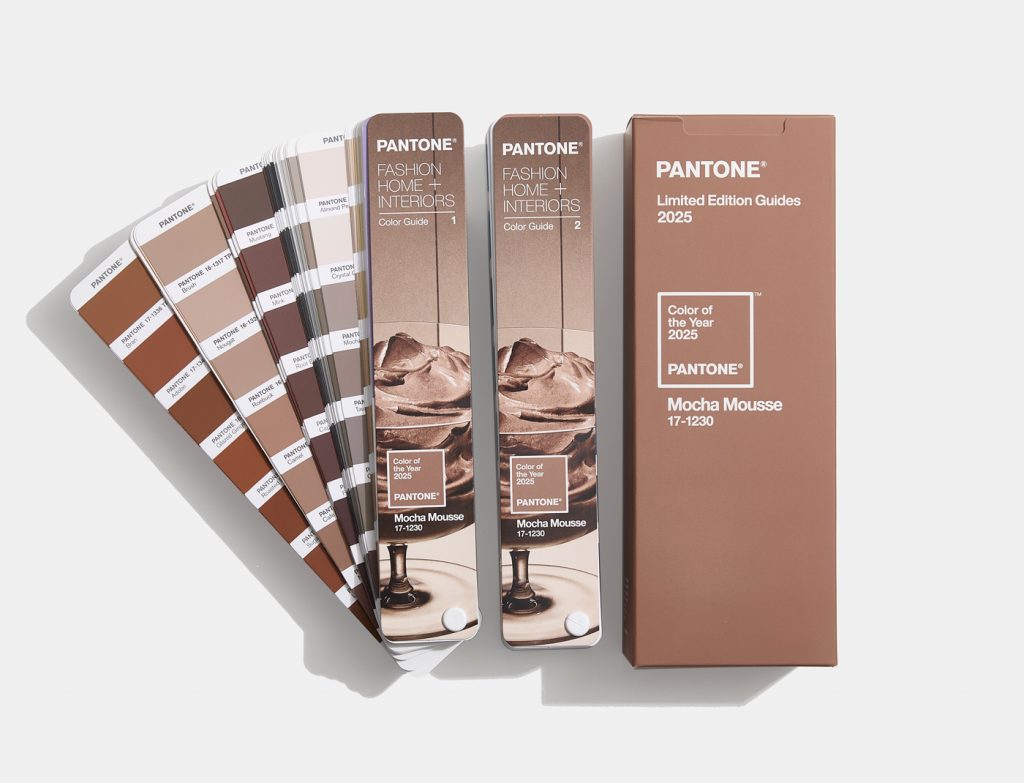
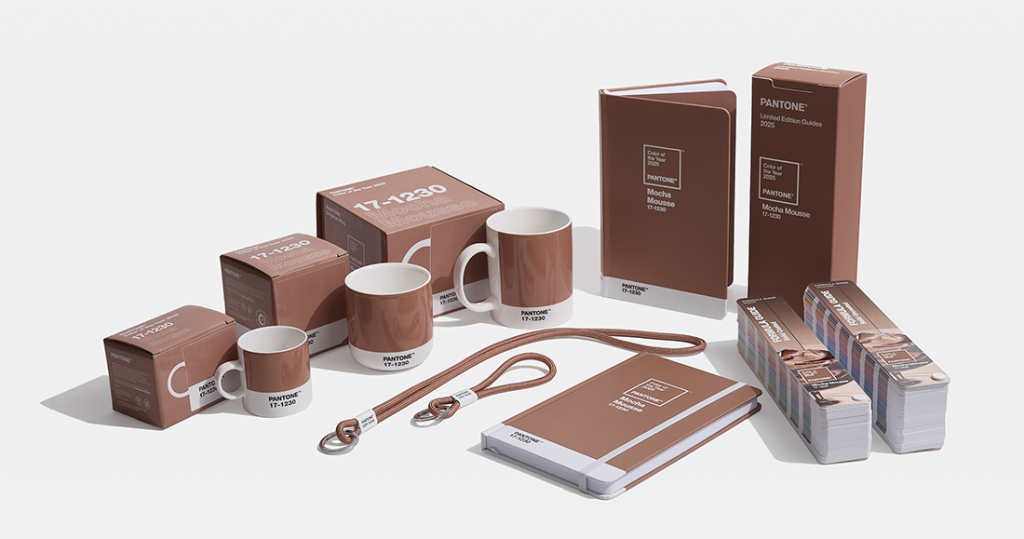
Pantone named the Color of the year 2025: PANTONE 17-1230Mocha Mousse. A soft brown hue that evokes the warmth of coffee, chocolate and cocoa.
PANTONE 17-1230 Mocha Mousse highlights the evolving role of design, where colour choices go beyond aesthetics to evoke deeper emotional connections. This trend reflects a growing emphasis on adding dimension and meaning to design, making it more impactful and resonant.
PANTONE 17-1230 Mocha Mousse brings harmony and balance, inspiring a positive state of inner peace—creating spaces that feel like a warm embrace. An evocative soft brown that nurtures with its delectable warmth.
Each year, forward-thinking and innovative brands collaborate with Pantone to develop products inspired by the Colour of the Year. This year’s launch partners include Motorola, Joybird, Pura, WIX Studio, Libratone, Spoonflower, IPSY, Society6, Ultrafabrics, Capsule 11, Oyuna, and Post-it, showcasing a diverse range of applications from technology and furniture to fashion and office supplies.
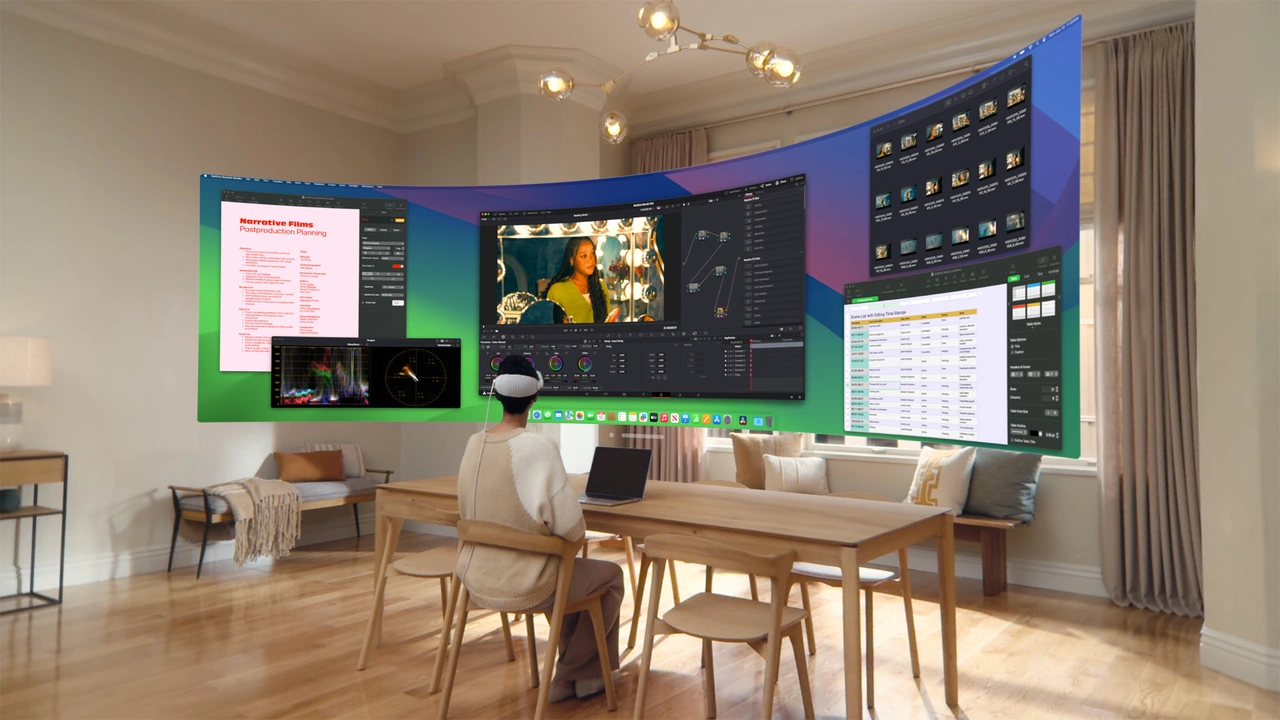
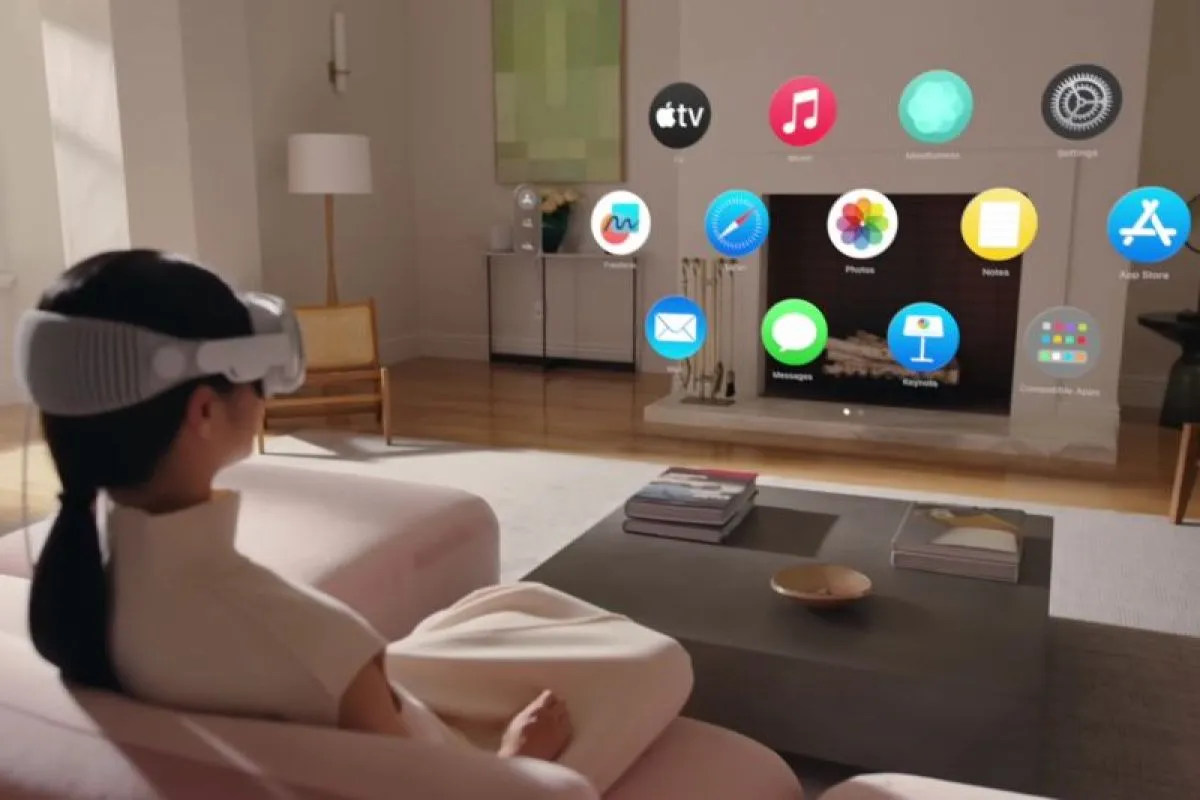
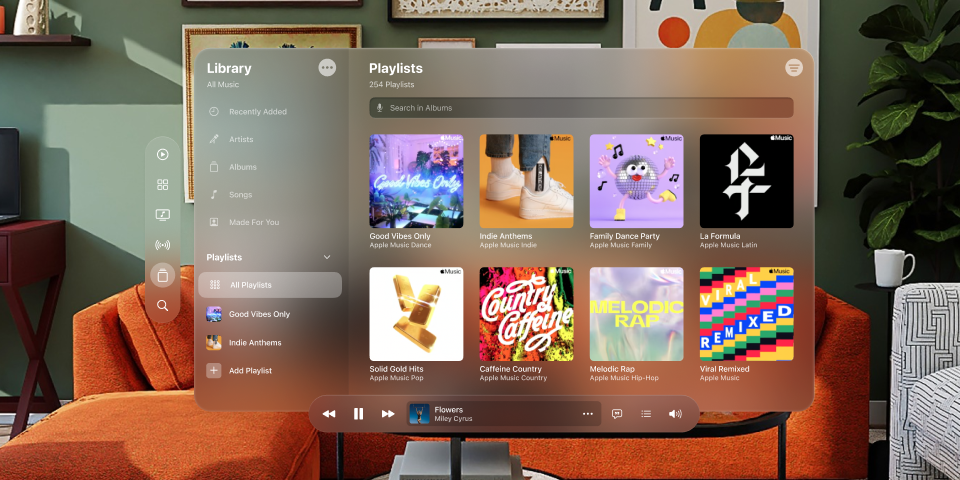
Apple Vision Pro is a wearable spatial computer that blends the digital with the physical, heralding a whole new platform for experiencing technology.
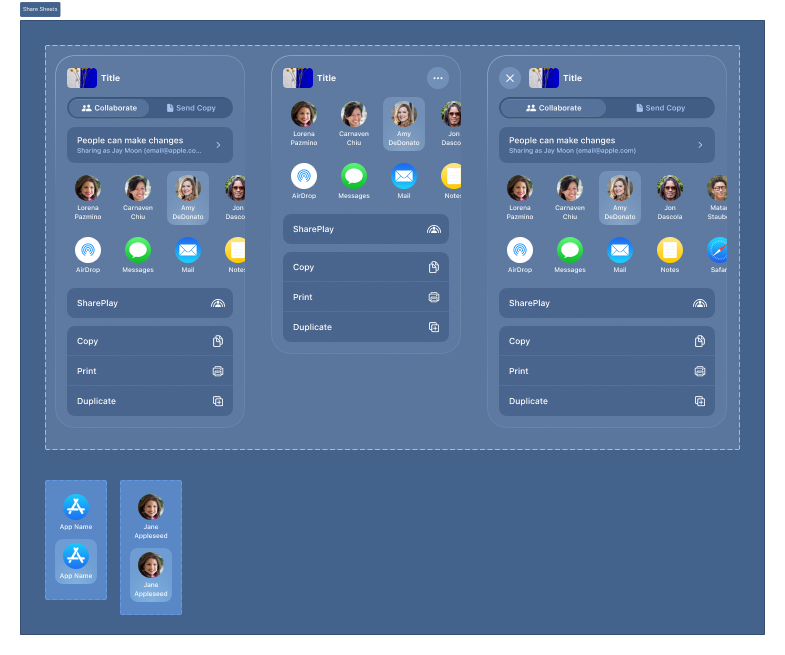
Apps can expand fully into your space.Share Sheets | UI Resources
At the heart of Apple Vision Pro is an unrelenting consideration of personal use. Each device is modularly assembled in order to ensure a tailored and personalised fit for a wide range of faces and people. It also features a Light Seal, which is made of a soft textile that flexes to conform to the face, also available in a heavily researched range of shapes and sizes.